
How Influencers Are Using AI to Fake Entire Lives
And making millions

In the rapidly evolving digital landscape, influencers are increasingly using artificial intelligence (AI) to create entire virtual personas, captivating audiences and generating substantial income.
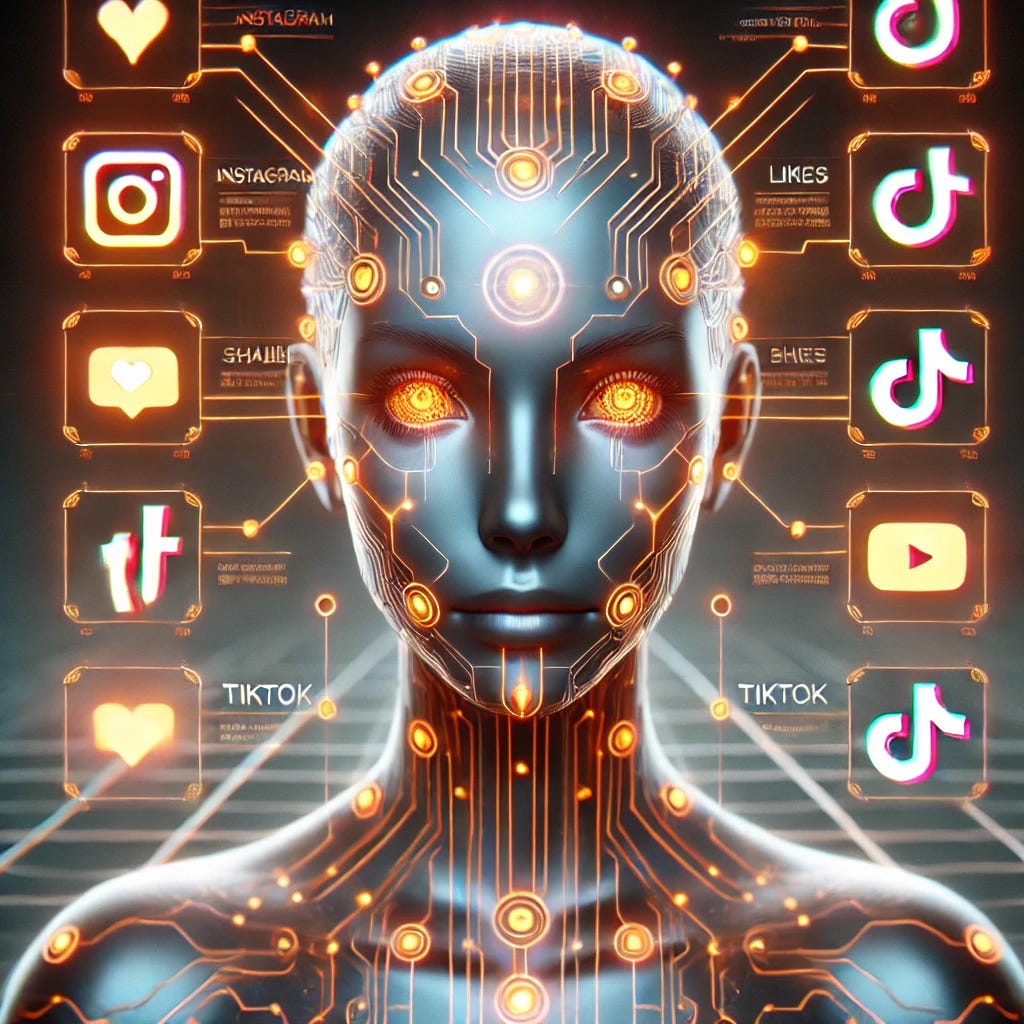
The Emergence of AI-Generated Influencers
AI-generated influencers, or virtual influencers, are digital personas created using advanced AI technologies.
These virtual beings interact with audiences on social media platforms, often indistinguishable from human influencers.
A notable example is Lil Miquela, a virtual influencer with over 3 million Instagram followers, who has collaborated with brands like Chanel and Prada.
Financial Impact: Earnings and Engagement
The financial effect of virtual influencers is significant. Data indicates that virtual influencers can earn their creators nine times the average UK worker's monthly salary from a single Instagram post, with top creators earning up to £26,700 per post.
However, a study by Twicsy reveals that human influencers still dominate earnings, averaging $78,777 per post compared to $1,694 for AI counterparts—a 46-fold difference.
Despite this gap, the lower production costs and control over virtual influencers make them an attractive option for brands.
Tools Empowering Virtual Creations
The creation of AI influencers is facilitated by advanced tools:
Generative Adversarial Networks (GANs): These AI models generate realistic images, forming the visual basis of virtual influencers.
Natural Language Processing (NLP): NLP enables virtual influencers to engage in lifelike conversations, enhancing authenticity.
AI Animation Platforms: Startups like AvatarOS are developing technologies to create lifelike avatars for social media and gaming, expanding the possibilities for virtual influencers.
Case Studies: Success Stories
Lu do Magalu: This virtual influencer has been featured on the cover of Vogue Brazil and has collaborated with brands like Marc Jacobs and Balenciaga. Her creators can earn up to £26,700 per sponsored post.
Emily Pellegrini: An AI model on the adult content platform Fanvue, Emily generated $23,000 in January 2025, up from $6,000 in October 2024, showcasing rapid growth and earning potential.
Ethical Considerations and Challenges
The rise of AI-generated influencers presents ethical dilemmas:
Authenticity and Transparency: As AI influencers become more lifelike, distinguishing them from humans becomes challenging, raising concerns about deception.
Intellectual Property: Instances of AI-generated influencers stealing and monetizing content from real models without consent have been reported, leading to income loss for genuine creators.
User Deception: AI-generated personas providing fake medical advice on platforms like TikTok have deceived users, highlighting the potential for harm.
The Future of Influencer Marketing
The integration of AI in influencer marketing is expected to grow:
Brand Collaborations: Over 50% of brands plan to collaborate with virtual influencers in the coming year, attracted by their high engagement rates and controlled personas.
Technological Advancements: As AI technologies evolve, virtual influencers will become more sophisticated, offering personalized and emotionally impactful interactions.
Regulatory Measures: To address ethical concerns, platforms and regulators may implement guidelines to ensure transparency and protect user interests.
In conclusion, AI is revolutionizing the influencer landscape, enabling the creation of virtual personas that captivate audiences and generate substantial income. But still are so many questions about using Ai ethically.